• Hello guest! Are you an Apistogramma enthusiast? If so we invite you to join our community and see what it has to offer. Our site is specifically designed for you and it's a great place for Apisto enthusiasts to meet online. Once you join you'll be able to post messages, upload pictures of your fish and tanks and have a great time with other Apisto enthusiasts. Sign up today!

A. Panduro Sexing

KubotaiGuy

New Member
Messages
3
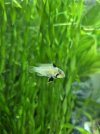
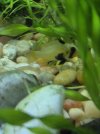
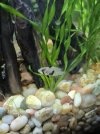
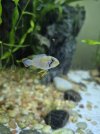
Hi, I'm new to owning Apistos and recently picked up 4 from my LFS. I initially only bought 2, but it wasn't clear if we got one of each sex so we picked up 2 more in the interest of returning the 2 we didn't need. The problem is that neither I or the LFS can accurately sex them. I know one is for sure a male but the other ones are a toss up. I also learned that apistos males can change color to imitate a female in the presence of a bigger male so I'm at a loss. Any help is very much appreciated.
 

Attachments

  • 20260125_101012.jpg
    20260125_101012.jpg
    1.8 MB · Views: 98
  • 20260125_101025.jpg
    20260125_101025.jpg
    2.1 MB · Views: 103
  • 20260125_101049.jpg
    20260125_101049.jpg
    1.8 MB · Views: 106
  • 20260125_101113.jpg
    20260125_101113.jpg
    2 MB · Views: 96

Mike Wise

Moderator
Staff member
5 Year Member
Messages
11,869
Location
Denver, Colorado, U.S.A.
OK, there are 2 different patterns on female A. panduro. One is a large more or less round blotch toward the bottom midway along the body of the fish. The other is what is called a 'Brustband or Breast-band', which is an elongated blotch that extends from the bottom of the fish all or most of the way to the dorsal fin. Males do not show either pattern on their body. At most they will show a lateral spot midway on the body. The fish in photo #2 shows neither form of female blotch, which is too often seen on domestically bred panduro females that are not properly culled. This is why I wrote that is appears to be "a poor specimen female (no breast-band)". I must add that 1 photo is not really adequate to say anything about this, but based only on the available photo I personally would not use it for breeding.
 

KubotaiGuy

New Member
Messages
3
OK, there are 2 different patterns on female A. panduro. One is a large more or less round blotch toward the bottom midway along the body of the fish. The other is what is called a 'Brustband or Breast-band', which is an elongated blotch that extends from the bottom of the fish all or most of the way to the dorsal fin. Males do not show either pattern on their body. At most they will show a lateral spot midway on the body. The fish in photo #2 shows neither form of female blotch, which is too often seen on domestically bred panduro females that are not properly culled. This is why I wrote that is appears to be "a poor specimen female (no breast-band)". I must add that 1 photo is not really adequate to say anything about this, but based only on the available photo I personally would not use it for breeding.
Thank you for the clarification!
 

Members online

Forum statistics

Threads
18,703
Messages
124,172
Members
13,590
Latest member
jukaklimatyzacje

Latest profile posts

Platforma SaldeoSMART automatyzuje obieg dokumentów i odczyt faktur (OCR) w firmach oraz biurach rachunkowych. System jest gotowy na zmiany prawne, a integracja z ksef pozwala na bezpieczne wysyłanie i odbieranie e-faktur ustrukturyzowanych.
dimandobson wrote on Ben Bergman's profile.
Hi Bergman. I have a pair of breeding dwarf cichlid for sale. if you are still looking, drop me your whatsapp number and i will send some videos to your whatsapp
Good-backlink.com - Professional website promotion, get more traffic to your website and improve ranking by using high PR link building service.
martin_c wrote on illumnae's profile.
Hi,

just in case you happen to live in Germany (or Netherlands): I have a wildcaught female A. psammophila, you could have it for free. I have no use for it anymore.

BR
Martin
Top