• Hello guest! Are you an Apistogramma enthusiast? If so we invite you to join our community and see what it has to offer. Our site is specifically designed for you and it's a great place for Apisto enthusiasts to meet online. Once you join you'll be able to post messages, upload pictures of your fish and tanks and have a great time with other Apisto enthusiasts. Sign up today!

Apistogramma species that do well between 22 and 30 °C long-term

hoangvu24505

New Member
Messages
7
Hello everyone,

I’m from Vietnam, a tropical country. I live in Hai Duong, a province in northern Vietnam, where temperatures can be quite extreme — below 15 °C in winter and above 32 °C in summer. I have an outdoor aquarium (120 × 30 × 60 cm).

In winter, I plan to set the temperature to 22 °C to simulate those conditions. However, in summer I can’t really control the temperature.

I need your help to find an Apistogramma species that can do well between 22 and 30 °C without chronic stress. Some species I can easily obtain include: A. agassizii, A. hongsloi, A. macmasteri, A. cacatuoides, A. inka50, A. trifasciata, A. borellii, and A. bitaeniata.

I’ve spent many days looking but haven’t been able to find one yet. As a person with ADHD, I struggle to make progress if I can’t find the right species.

Thank you!
 
Last edited:

MacZ

Well-Known Member
5 Year Member
Messages
4,323
Location
Germany
For almost all species the ideal long term temperature is between 24 and 26 °C. It's ok if the temp is not exactly in that range.

The only well known - and commercially available - exception is A. borellii, which is best served with temperatures between 18 and 22°C. A. trifasciata also do well at the lower end of the range. Considering the low end temp you listed these would probably be the better choice over "warm water" or average temp species.

A. bitaeniata and A. macmasteri do well at the upper end of the temp range, preferably over 26°C up to 29°C long term.

All species experience short periods (we're talking a few weeks in the year) of over 30°C and do ok with that in captivity (e.g. during european summer).
Lower temperatures can be ok for short periods too, though in my experience in contrast to heat these periods should stay within a range of days, not weeks. Most fish in captivity will only experience this during transport and shipping.

So a full range of 22 to over 30°C for longer periods... Not sure how long each period will last in your area. If any of these periods lasts longer than a months it will not work without counter measures.

But a tipp for cooling down a tank with low tech/low effort methods:
If you can, do cool (20°C) water changes during heat waves either in the early morning or late at night. If you bring the temperature to roughly 25°C with this and maybe shade the tank you're good to go.
Or freeze a bottle of (uncarbonated) water and float it in the tank.

I have also ADHD (and autism, too), so I can tell you, if you can reach hyper focus while researching you're on a good way. If you hit a road block, asking like you do right now is the best you can do. ;)
If you fear to struggle with keeping up with cooling waterchanges amd other measures you might want to look into your local species, maybe labyrinth fish like wild bettas or gourami would be more suitable.
 

hoangvu24505

New Member
Messages
7
For almost all species the ideal long term temperature is between 24 and 26 °C. It's ok if the temp is not exactly in that range.

The only well known - and commercially available - exception is A. borellii, which is best served with temperatures between 18 and 22°C. A. trifasciata also do well at the lower end of the range. Considering the low end temp you listed these would probably be the better choice over "warm water" or average temp species.

A. bitaeniata and A. macmasteri do well at the upper end of the temp range, preferably over 26°C up to 29°C long term.

All species experience short periods (we're talking a few weeks in the year) of over 30°C and do ok with that in captivity (e.g. during european summer).
Lower temperatures can be ok for short periods too, though in my experience in contrast to heat these periods should stay within a range of days, not weeks. Most fish in captivity will only experience this during transport and shipping.

So a full range of 22 to over 30°C for longer periods... Not sure how long each period will last in your area. If any of these periods lasts longer than a months it will not work without counter measures.

But a tipp for cooling down a tank with low tech/low effort methods:
If you can, do cool (20°C) water changes during heat waves either in the early morning or late at night. If you bring the temperature to roughly 25°C with this and maybe shade the tank you're good to go.
Or freeze a bottle of (uncarbonated) water and float it in the tank.

I have also ADHD (and autism, too), so I can tell you, if you can reach hyper focus while researching you're on a good way. If you hit a road block, asking like you do right now is the best you can do. ;)
If you fear to struggle with keeping up with cooling waterchanges amd other measures you might want to look into your local species, maybe labyrinth fish like wild bettas or gourami would be more suitable.
Lol thanks for replying to me.
I want my tank to have 1–2 species from each order. My tank currently contains Barbodes semifasciolatus (Cyprinidae), Trichopsis vittata, Macropodus spechti (Anabantiformes), Hyphessobrycon herbertaxelrodi (Characiformes), and green Xiphophorus hellerii (Cyprinodontiformes).
The next order would be Perciformes. I like South American cichlids, especially dwarf cichlids, but in my country I can only easily find the Apistogramma species mentioned above
 

hoangvu24505

New Member
Messages
7
For almost all species the ideal long term temperature is between 24 and 26 °C. It's ok if the temp is not exactly in that range.

The only well known - and commercially available - exception is A. borellii, which is best served with temperatures between 18 and 22°C. A. trifasciata also do well at the lower end of the range. Considering the low end temp you listed these would probably be the better choice over "warm water" or average temp species.

A. bitaeniata and A. macmasteri do well at the upper end of the temp range, preferably over 26°C up to 29°C long term.

All species experience short periods (we're talking a few weeks in the year) of over 30°C and do ok with that in captivity (e.g. during european summer).
Lower temperatures can be ok for short periods too, though in my experience in contrast to heat these periods should stay within a range of days, not weeks. Most fish in captivity will only experience this during transport and shipping.

So a full range of 22 to over 30°C for longer periods... Not sure how long each period will last in your area. If any of these periods lasts longer than a months it will not work without counter measures.

But a tipp for cooling down a tank with low tech/low effort methods:
If you can, do cool (20°C) water changes during heat waves either in the early morning or late at night. If you bring the temperature to roughly 25°C with this and maybe shade the tank you're good to go.
Or freeze a bottle of (uncarbonated) water and float it in the tank.

I have also ADHD (and autism, too), so I can tell you, if you can reach hyper focus while researching you're on a good way. If you hit a road block, asking like you do right now is the best you can do. ;)
If you fear to struggle with keeping up with cooling waterchanges amd other measures you might want to look into your local species, maybe labyrinth fish like wild bettas or gourami would be more suitable.
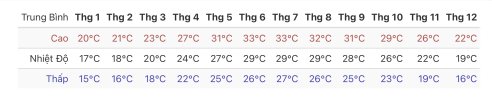
I keep my heater set to 22°C throughout the winter, so based on the average temperature chart I shared, the fish will experience about 5 months at 22°C. The average temperature during summer (from May to September) is 27–29°C.
Temperatures above 30°C only occur as daily peaks, so I don’t think my fish will have to live continuously above 30°C during these months.

Based on my analysis and the experience you shared, Apistogramma borellii or A. trifasciata seem to be reasonable choices to me.
What do you think?
 

Attachments

  • IMG_9965.jpeg
    IMG_9965.jpeg
    181.6 KB · Views: 69

MacZ

Well-Known Member
5 Year Member
Messages
4,323
Location
Germany
I'm sorry to tell you, the temperature is your least problem after seeing your current stocking. If it was a species tank or a community of species that are more compatible, A. borellii and A. trifasciata (one of them, not both together) would be good choices indeed.

I want my tank to have 1–2 species from each order. My tank currently contains Barbodes semifasciolatus (Cyprinidae), Trichopsis vittata, Macropodus spechti (Anabantiformes), Hyphessobrycon herbertaxelrodi (Characiformes), and green Xiphophorus hellerii (Cyprinodontiformes).
I know all the species well, and let me be clear: South American dwarf cichlids, especially Apistogramma, are not community tank material. I respect the concept, but I can tell you a "fish soup" (as we call a tank with 4-5 or more species in Germany) like this usually doesn't end well for all species involved. Boisterous, adaptable and stress-resistant species will do well, fish like Apistogramma or Trichopsis usually will not, they wither away and die out in such a combination. Quickly and unnoticed until it's too late.

In this case I see problems from T. vittata, as they have a relatively similar lifestyle to dwarf cichlids and so there will be competition (which I see the Trichopsis losing once Apistos start brooding), but I also see problems arising from the barbs and tetras very likely preventing food from reaching the bottom where dwarf cichlids usually live and look for food. The Xiphophorus also tend to be too boisterous (as are most livebearers) to be kept with dwarf cichlids.

Those are the things coming to my mind when considering your stocking. The current combination of species is relatively solid.

If you are really set on a fish from the Percomorphs, may I lead you to the glass perches? They are from the Genus Parambassis and as they are from your parts of the world are probably available and should do ok with your conditions. As a bonus they are far more outgoing than dwarf cichlids and far more adaptable, so they should get along with your other fish far better.
 

hoangvu24505

New Member
Messages
7
I'm sorry to tell you, the temperature is your least problem after seeing your current stocking. If it was a species tank or a community of species that are more compatible, A. borellii and A. trifasciata (one of them, not both together) would be good choices indeed.


I know all the species well, and let me be clear: South American dwarf cichlids, especially Apistogramma, are not community tank material. I respect the concept, but I can tell you a "fish soup" (as we call a tank with 4-5 or more species in Germany) like this usually doesn't end well for all species involved. Boisterous, adaptable and stress-resistant species will do well, fish like Apistogramma or Trichopsis usually will not, they wither away and die out in such a combination. Quickly and unnoticed until it's too late.

In this case I see problems from T. vittata, as they have a relatively similar lifestyle to dwarf cichlids and so there will be competition (which I see the Trichopsis losing once Apistos start brooding), but I also see problems arising from the barbs and tetras very likely preventing food from reaching the bottom where dwarf cichlids usually live and look for food. The Xiphophorus also tend to be too boisterous (as are most livebearers) to be kept with dwarf cichlids.

Those are the things coming to my mind when considering your stocking. The current combination of species is relatively solid.

If you are really set on a fish from the Percomorphs, may I lead you to the glass perches? They are from the Genus Parambassis and as they are from your parts of the world are probably available and should do ok with your conditions. As a bonus they are far more outgoing than dwarf cichlids and far more adaptable, so they should get along with your other fish far better.
Thanks a lot for the detailed and honest feedback. I really appreciate you sharing your experience—it gave me a much clearer picture of the potential issues and helped me avoid mistakes.
 

Members online

Forum statistics

Threads
18,703
Messages
124,172
Members
13,590
Latest member
jukaklimatyzacje

Latest profile posts

Platforma SaldeoSMART automatyzuje obieg dokumentów i odczyt faktur (OCR) w firmach oraz biurach rachunkowych. System jest gotowy na zmiany prawne, a integracja z ksef pozwala na bezpieczne wysyłanie i odbieranie e-faktur ustrukturyzowanych.
dimandobson wrote on Ben Bergman's profile.
Hi Bergman. I have a pair of breeding dwarf cichlid for sale. if you are still looking, drop me your whatsapp number and i will send some videos to your whatsapp
Good-backlink.com - Professional website promotion, get more traffic to your website and improve ranking by using high PR link building service.
martin_c wrote on illumnae's profile.
Hi,

just in case you happen to live in Germany (or Netherlands): I have a wildcaught female A. psammophila, you could have it for free. I have no use for it anymore.

BR
Martin
Top