-
Hello guest! Are you an Apistogramma enthusiast? If so we invite you to join our community and see what it has to offer. Our site is specifically designed for you and it's a great place for Apisto enthusiasts to meet online. Once you join you'll be able to post messages, upload pictures of your fish and tanks and have a great time with other Apisto enthusiasts. Sign up today!
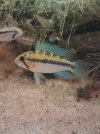
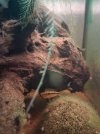
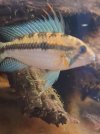
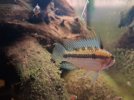
Wild Caught Peru Apisto ID
- Thread starter CA1
- Start date

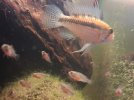
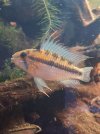

Similar threads


Members online
No members online now.


Forum statistics
Latest profile posts


martin_c wrote on illumnae's profile.
Hi,
just in case you happen to live in Germany (or Netherlands): I have a wildcaught female A. psammophila, you could have it for free. I have no use for it anymore.
BR
Martin
just in case you happen to live in Germany (or Netherlands): I have a wildcaught female A. psammophila, you could have it for free. I have no use for it anymore.
BR
Martin